Accelerating Biomarker Discovery Through Innovative Functional Proteomics
ProFACT Proteomics delivers advanced functional proteomics technologies that help researchers identify protein biomarkers, investigate molecular mechanisms, discover potential therapeutic targets, and generate meaningful biological insights. Its research focus supports precision medicine, translational research, oncology studies, and drug development programs.
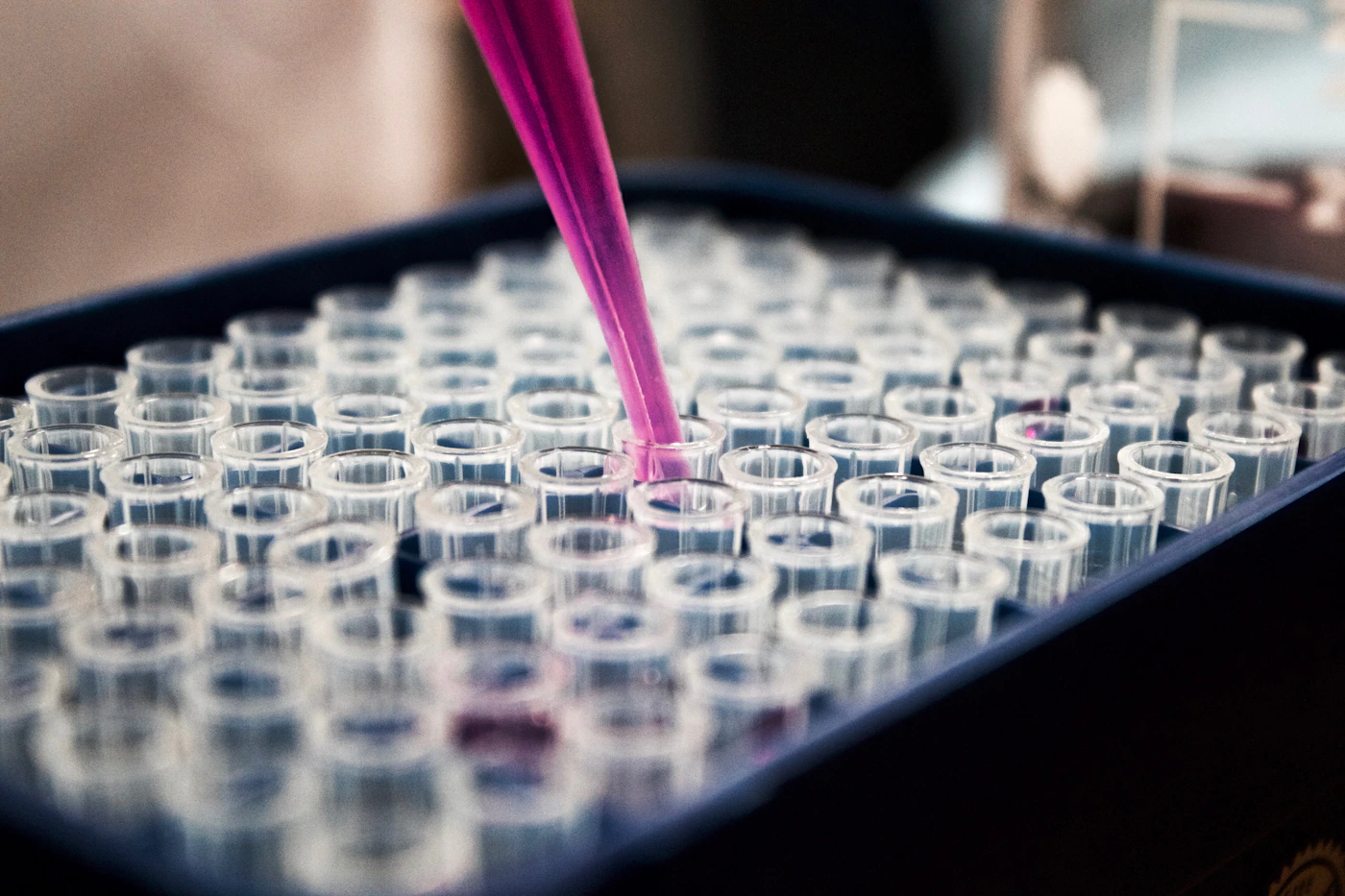

Understand What Proteins Do — Not Only How Much Is Present
Proteins are central to cellular processes, molecular communication, and biological regulation. However, measuring protein abundance alone does not always reveal how proteins behave, interact, or contribute to specific biological pathways.
Functional proteomics expands conventional protein profiling by examining protein activity, interactions, modifications, and molecular context. These complementary perspectives can help researchers build a more comprehensive understanding of biological systems.
Advanced Functional Proteomics Technologies
Explore complementary analytical approaches that help researchers investigate protein abundance, function, activity, and molecular interactions.
Protein Biomarker Discovery
Investigate candidate protein biomarkers through comprehensive protein profiling and comparative analysis across research samples and experimental conditions.
Functional Protein Profiling
Explore protein activity, molecular function, and biological relevance to complement conventional protein abundance measurements.
Protein Interaction Analysis
Study protein-protein interactions and molecular networks to investigate cellular pathways and relationships between biological components.
Post-Translational Modifications
Examine protein modifications such as phosphorylation, glycosylation, and acetylation to understand their potential influence on protein function.
Quantitative Proteomics
Compare protein expression patterns and abundance changes to identify molecular signatures associated with experimental conditions.
Target Identification
Investigate proteins and molecular pathways that may provide useful starting points for further target validation and research development.
A Research-Oriented Biomarker Discovery Workflow
Functional proteomics connects experimental samples with detailed molecular information to support biomarker research and downstream validation.
Sample Preparation
Prepare and process biological samples according to the study design and analytical requirements.
Protein Analysis
Apply appropriate proteomics technologies to characterize protein abundance, activity, or interactions.
Data Interpretation
Evaluate protein profiles and molecular patterns to identify candidate biomarkers and relevant pathways.
Validation Strategy
Prioritize promising findings for follow-up experiments and independent validation.
Supporting Research Across Multiple Fields
Functional proteomics can contribute to a wide range of research programs where protein function and molecular signatures are important.
Precision Medicine Research
Explore molecular differences and protein signatures that may contribute to more informed research strategies.
Translational Research
Connect molecular discoveries with experimental models and research questions relevant to biological systems.
Oncology Research
Investigate protein networks, molecular pathways, and candidate biomarkers in oncology research models.
Drug Development Research
Support target investigation and the study of molecular responses during research and development programs.
Connecting Protein Activity, Interactions and Biological Context
Innovative proteomics approaches can reveal information that is not always captured by measuring protein abundance alone. Functional analysis can add context to protein profiles by investigating how proteins interact, change, and participate in biological processes.
By combining complementary analytical methods with rigorous experimental design, researchers can improve the interpretation of complex proteomics datasets and prioritize findings for further investigation.
- Protein activity and functional characterization
- Protein-protein interaction networks
- Quantitative and comparative protein profiling
- Post-translational modification analysis
- Candidate biomarker prioritization and validation

Move Your Biomarker Research Forward with Functional Proteomics
Explore how ProFACT Proteomics can support your research objectives through advanced functional protein analysis, biomarker discovery approaches, and molecular insights. Discuss your project requirements and identify an approach aligned with your experimental goals.
Best Price!
Best Discounted Lab Reagents
Antibodies & Recombinant Proteins